

Buying a car is one of the most significant purchases many people make, and your credit score plays a massive role in how much that car actually ends up costing you. If you're planning to apply for an auto loan, whether you're eyeing a new SUV or a reliable used sedan, your credit score can directly impact the interest rate you receive, your monthly payment, and even whether you get approved at all.
Improving your credit score before applying can help you qualify for better loan terms and save hundreds, or even thousands, of dollars over the life of your loan. In fact, the difference between a "fair" credit score and a "good" one can mean a change of several percentage points in your auto loan interest rate.
This guide will show you how to boost your credit score with proven strategies before stepping onto the dealership lot or filling out that auto loan application. We'll also share how Florida Credit Union (FCU) supports Florida residents in reaching their financial goals through credit-building tools, personalized service, and competitive auto loan rates.
To learn more about the full car-buying process, check out FCU's comprehensive guide to buying a new or used car.
1. Check Your Credit Reports From All Three Credit Bureaus
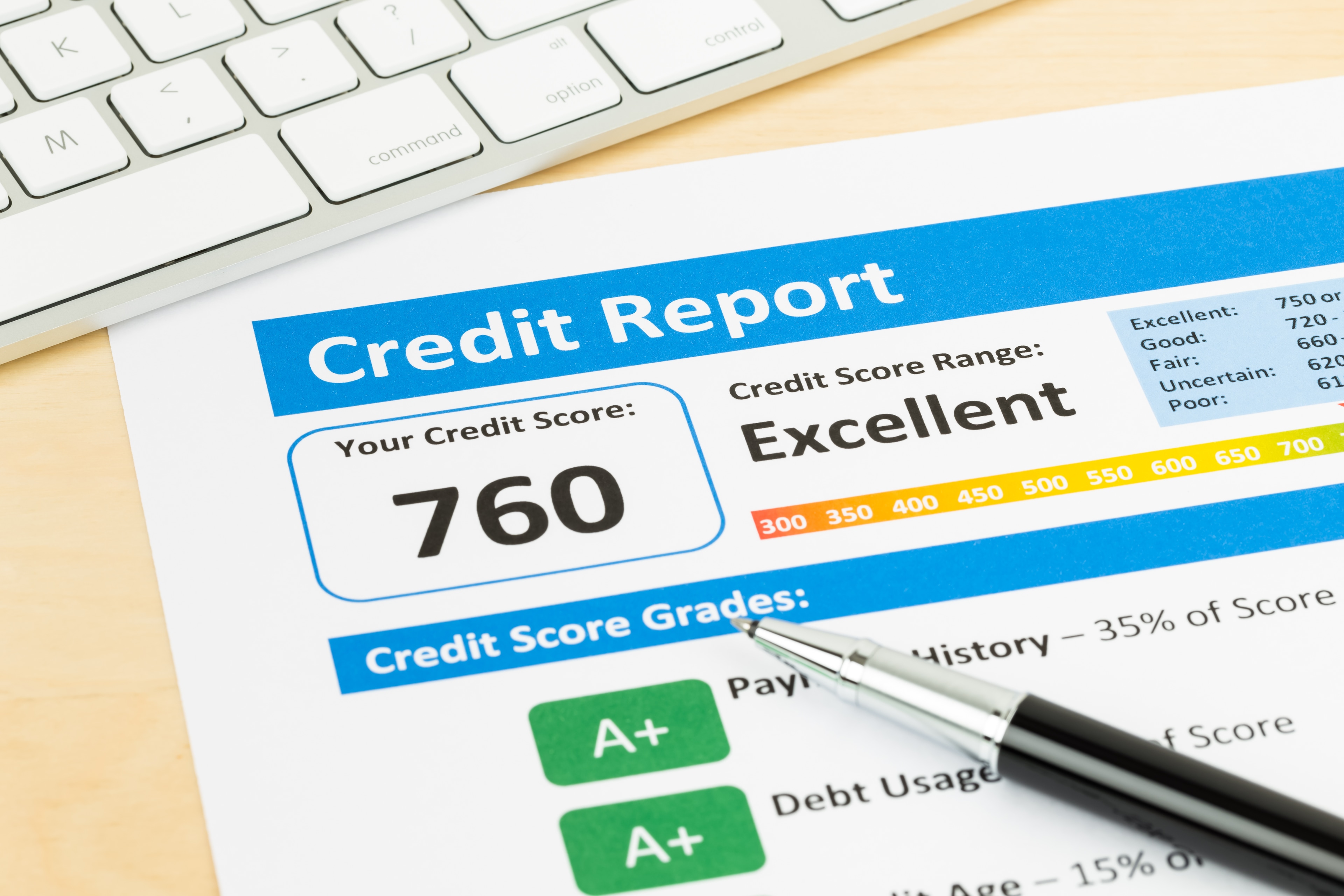
Before you begin working to improve your credit, it's essential to understand your current standing. That starts with reviewing your credit reports from the three major credit bureaus: Equifax, Experian, and TransUnion. These reports detail your credit history, including payment records, credit limits, balances, and any negative marks like late payments or accounts in collections.
How to Get Free Copies of Your Credit Reports
Under federal law, you're entitled to one free copy of your credit report from each bureau every 12 months through AnnualCreditReport.com, the only official site authorized by the Federal Trade Commission (FTC). During times of economic uncertainty, the bureaus have occasionally offered free reports more frequently, so it's worth checking the site for current offers.
It's important to review reports from all three bureaus, as not every lender reports to all of them, and errors or discrepancies may appear on one but not the others. Look for outdated information, incorrect balances, or accounts that aren't yours; any of these could unfairly lower your score and affect your loan eligibility.
If you're planning to apply for an auto loan within the next three to six months, checking your reports now gives you time to dispute errors and make strategic improvements to your credit profile before applying.
Already a Florida Credit Union member? You can easily view your FICO® Score through FCU Anywhere online or mobile banking. Just log in and select FICO® Score under the Financial Planning menu to track your progress and stay on top of your credit health.
What to Look for When Reviewing Your Credit Report

When reviewing your credit reports, it's important to go over every detail for potential discrepancies. Look specifically for:
- Accounts you don't recognize: This could be a tell-tale sign of identity theft or fraudulent activity. If you spot an account that doesn't belong to you, it's crucial to report it immediately to the credit bureau and the creditor.
- Late payments listed in error: Even a single erroneously reported late payment can significantly impact your credit score. Verify that all payment histories are accurate and dispute any late payments that you know were made on time.
- Closed accounts reported as open: An account that you've closed, especially one with a zero balance, should be reflected as such. If it's still showing as open, it could artificially inflate your debt-to-credit ratio.
- Duplicated debts: Ensure that no single debt is listed multiple times. This common error can make your overall debt load appear much higher than it actually is.
- Incorrect credit limits or balances: Verify that the reported credit limits on your revolving accounts and the balances on all your accounts are accurate. Errors in these figures can also negatively affect your credit utilization, a key factor in your credit score.
Even what may seem like minor inaccuracies can have a disproportionately negative impact on your credit score, potentially jeopardizing your chances of getting preapproved for a car loan. Identifying and resolving these issues early in the process provides you with a better shot at securing a loan with a lower interest rate, which can translate into substantial savings over the life of the loan.
2. Dispute Any Inaccuracies With Credit Bureaus Right Away
If you find a mistake on your credit report, you have the right to challenge it. You can do this online through each credit bureau's website, or by sending a letter with proof. Be sure to include copies of any documents that support your claim, such as payment confirmations or account statements. This evidence strengthens your case and helps the bureau investigate efficiently.
The credit bureau usually has about 30 days to check your claim. If they confirm it's wrong, they must take off or fix the incorrect information. You can learn more about your rights from the Consumer Financial Protection Bureau (CFPB).
Most of these problems are fixed within 30 to 45 days. If the error is corrected, your credit score might go up quickly, sometimes even in the next month. This is a very important first step to improve your credit score before you ask for a car loan preapproval.
3. Pay Down Credit Card Balances to Improve Credit Utilization

One of the most powerful things you can do to improve your score is to reduce your credit utilization ratio, which is the amount of credit you're using compared to your total credit limit. Keeping your usage below 30%, or ideally under 10%, signals to lenders that you manage debt responsibly.
This single factor can account for up to 30% of your credit score.
Let's say your total available credit is $10,000. To keep your utilization at or below 30%, you'd want to maintain a balance under $3,000. Anything above that could start dragging your score down.
If you're working to improve your score by lowering your utilization, a few good places to start include:
- Focusing on high-interest balances first (avalanche method) or smallest balances (snowball method).
- Making multiple payments per month to keep reported balances low.
- Consider balance transfers or taking advantage of credit card offers or personal loans to consolidate debt.
4. Make All Payments On Time: It's the Biggest Factor
Your payment history accounts for 35% of your FICO® score, making it the most influential factor in determining your creditworthiness. Even a single missed or late payment can cause a noticeable drop, especially if you're still building your credit. Lenders view payment history as a reflection of your reliability, so maintaining a spotless track record is essential.
If you're planning to apply for an auto loan, it's crucial to stay current on all financial obligations, including credit cards, student loans, utility bills, and rent. Consistent on-time payments not only protect your credit score but also signal to lenders that you're a low-risk borrower.
A few tips to help you stay on track:
- Set up automatic payments for at least the minimum amount due to avoid late fees and missed deadlines.
- Use calendar reminders or budgeting apps to track due dates.
- Sign up for text or email alerts from your bank, credit card issuer, or loan servicer for upcoming payments.
At Florida Credit Union, we make it easy to stay organized. With our free mobile and online banking platform, FCU Anywhere, you can use bill pay to schedule payments, check balances, and manage your money anytime. Plus, our built-in Financial Wellness tool helps you track spending, view your credit score each month, and set savings goals so you can make progress toward what matters most.
5. Avoid Opening or Closing Credit Accounts Before Applying
When you're preparing to apply for an auto loan, it's important to keep your credit profile as stable as possible. Each time you apply for new credit, a hard inquiry appears on your credit report. While one or two inquiries might have a minimal effect, multiple inquiries in a short period can lower your credit score and raise red flags to lenders. It may signal that you're taking on too much debt or planning to take on more.
New accounts also reduce the average age of your credit history, which is another key factor in credit scoring. A shorter credit history can work against you, especially if you're aiming for the best loan terms.
Here's what to do instead:
- Hold off on opening new credit cards, store accounts, or financing large purchases until after your auto loan is approved.
- Avoid closing old credit cards, even if unused. Keeping them open helps maintain a longer credit history and a higher overall credit limit, both of which support a healthier credit score.
- Keep your profile steady. The months leading up to your auto loan application should be a time of financial consistency. Focus on on-time payments, low balances, and avoiding any sudden changes to your credit behavior.
By minimizing new credit activity and demonstrating responsible financial habits, you'll increase your chances of qualifying for better rates and loan terms.
6. Become an Authorized User to Leverage Positive Credit History

If you have limited or poor credit, one way to strengthen your profile is by becoming an authorized user on someone else's credit card. Ideally this person would be a parent, guardian, or close family member with a solid history of on-time payments and low balances. As an authorized user, the primary cardholder's positive payment history can be added to your credit report, potentially improving your score even though you're not legally responsible for the debt.
However, this strategy comes with important considerations. It's essential to choose someone you trust, because if they miss payments or carry high balances, those negative marks can impact your score as well. Not all credit card issuers report authorized user activity to the credit bureaus, so be sure to confirm that detail in advance. And while this approach can be a helpful stepping stone, particularly for students or first-time car buyers, it should be viewed as a short-term credit-building tool rather than a permanent solution.
Used wisely, becoming an authorized user can help you move closer to prequalification for an auto loan by improving the depth and quality of your credit history.
7. Use a Credit Building or Secured Credit Card to Build Your Credit
If you're working to establish or rebuild your credit, using the right financial tools can help accelerate your progress. One of the most effective options is a secured credit card, which requires a refundable deposit and reports your activity to the major credit bureaus. By making on-time payments and keeping your balance low, you can steadily improve your credit score over time.
Florida Credit Union's Fresh Start Credit Card is designed specifically for members who are building or repairing their credit. With credit lines ranging from $2,000 to $5,000, this card offers the flexibility you need with a manageable $100 annual fee. It's an ideal way to demonstrate responsible credit use and work toward stronger financial footing, all while enjoying the convenience and security of a credit card backed by FCU.
What You'll Need to Apply for an Auto Loan

Once you've taken steps to improve your credit and prepare your finances, the next phase is gathering the information and documents needed to apply for an auto loan. Being prepared can help speed up the approval process and improve your chances of getting favorable terms.
Lenders will first want to verify your identity, income, and ability to repay the loan. To do this, you'll typically need to provide a government-issued photo ID, such as a driver's license, along with proof of residence. Most lenders also ask for proof of income, which may include recent pay stubs, W-2 forms, or tax returns if you're self-employed. You may also be asked to provide proof of employment or contact information for your employer to verify job stability.
In addition, you should be ready to provide details about the vehicle you plan to purchase, including the make, model, year, mileage, and VIN (vehicle identification number). If you haven't selected a car yet, a preapproval can still be issued based on your financial profile, allowing you to shop with confidence and a clear understanding of your budget.
Finally, your credit score and credit history will be reviewed as part of the application process. While improving your credit in advance is important, it's equally important to ensure your credit report is accurate before applying.
Getting prequalified or preapproved before visiting a dealership can help you secure better rates and avoid unnecessary markups. At Florida Credit Union, our auto loan specialists can walk you through the entire process and help you gather everything you need to move forward with confidence.
What If You're Not Approved for an Auto Loan? Next Steps
If your auto loan application is denied, don't panic. It doesn't mean you're out of options. In fact, it can be a valuable opportunity to better understand your financial standing and take strategic steps toward approval. Many lenders, including Florida Credit Union, offer auto loan prequalification with a soft credit check, allowing you to explore your financing potential without impacting your credit score.
Prequalification can give you a clearer picture of your current eligibility and help you answer key questions before submitting a full application. You'll get insight into whether your debt-to-income ratio is within a lender's preferred range, what loan amount you may realistically qualify for, and how your estimated interest rate and monthly payment might look based on your current financial profile.
At Florida Credit Union, we go a step further by offering personalized credit score analysis and credit enhancement tools to help you move toward approval. Our team takes the time to review your full financial picture—not just your credit score—and we use local decision-making to offer flexible, member-focused solutions.
If you're not approved right away, you won't be left guessing. Our loan specialists will work with you to identify the reasons behind the denial and develop a personalized plan to strengthen your application. That might include building credit, reducing existing debt, or adjusting your loan amount or term. Whatever your situation, we're here to help you take the next step toward auto loan approval with confidence.
Improve Your Score and Plan Your Car Shopping
Raising your credit score before applying for a car loan doesn't have to take years, it just takes the right approach and a little planning. From checking your credit reports to managing your payments wisely, each of these seven strategies can help position you for better loan terms, lower interest rates, and more negotiating power when it comes time to shop for your next vehicle.
Remember: the higher your score, the more money you could save on interest and the more likely you are to enjoy a smooth and stress-free car buying experience.
Ready to get started? Explore Florida Credit Union's Auto Loan options and take the next step toward buying your dream car, backed by a strong credit score and a team that's always in your corner.