

Juggling high-interest credit card debt, facing an unexpected medical bill, or planning a major expense like a home renovation? Personal loans are among the most versatile borrowing options available, offering fixed rates, predictable monthly payments, and flexibility in how you use the funds. Yet, many people feel uncertain about how these loans work, what lenders look for, and whether borrowing makes sense for their situation.
This guide walks you through everything you need to know about personal loans and debt consolidation. You will learn how personal loans differ from credit cards, what lenders evaluate when approving loans, how to apply for a loan, and how to use these tools strategically to manage or eliminate debt. We will also cover common mistakes to avoid and practical strategies for paying off what you owe faster.
Whether you are considering your first personal loan or consolidating existing debt into a more manageable payment, the information ahead will help you make confident, informed decisions. Understanding your options is the first step toward taking control of your financial future.
What Is a Personal Loan and How Does It Work?
A personal loan is a type of installment credit that allows you to borrow a fixed amount of money and repay it over a set period through regular monthly payments. Unlike a credit card, which lets you repeatedly borrow up to a limit, a personal loan provides a single lump-sum deposit directly into your bank account. From there, you pay it back in equal installments that include both principal and interest until the balance is paid in full.
The structure of a personal loan makes budgeting straightforward. Because your payment amount stays the same each month, you know exactly what to expect and can plan accordingly. If you borrow $10,000 at a fixed interest rate for 48 months, your payment in month one will be identical to your payment in month forty-eight. This predictability is one of the main reasons people choose personal loans over other borrowing options when they need funds for a specific purpose.
Most personal loans are unsecured, meaning you do not have to put up collateral like a car or savings account to qualify. Lenders approve these loans based on your creditworthiness, income, and overall financial profile rather than the value of an asset. While unsecured loans may carry slightly higher interest rates than secured options, they also offer less personal risk because the lender has no property to claim if you run into financial trouble.
Personal loans typically range from a few thousand dollars to $50,000 or more, depending on the lender and your qualifications. Repayment terms usually span anywhere from one to seven years, though terms between two and five years are most common. The interest rate you receive depends on several factors, including your credit score, income, existing debt obligations, and the lender's current rates. Credit unions often offer competitive rates compared to traditional banks because they operate as not-for-profit organizations and return earnings to members through better loan terms.
Types of Personal Loans: Secured vs. Unsecured
Personal loans tend to fall into two main categories: secured and unsecured. Understanding the difference helps you choose the right option based on your financial situation and comfort level with risk.
A secured personal loan requires collateral, which is an asset you pledge to the lender as a guarantee of repayment. Common forms of collateral include savings accounts, certificates of deposit, or vehicles. If you fail to repay the loan as agreed, the lender has the legal right to take possession of that asset to recover their losses. The benefit of secured loans is that they often come with lower interest rates since the lender faces less risk. However, the borrower takes on more risk because defaulting could result in the loss of a valuable asset.
Unsecured personal loans are sometimes called signature loans, which do not require any collateral. Approval is based entirely on your creditworthiness, income, employment history, and debt-to-income ratio. Because the lender has no asset to claim if you default, these loans typically carry higher interest rates than secured options. That said, unsecured loans are the more popular choice for most borrowers because they do not require personal property as collateral.
The vast majority of personal loans from credit unions and banks are unsecured. For example, Florida Credit Union offers personal loans of up to $50,000 with fixed rates and flexible terms from 15 to 60 months.
When deciding between secured and unsecured loans, consider how much you need to borrow, the interest rate difference, and whether you have assets you are comfortable pledging. For most everyday borrowing needs like consolidating debt, covering medical expenses, or financing home improvements, an unsecured personal loan offers a balance of accessibility and manageable risk.
Understanding Personal Loan Interest Rates and Terms
Interest rates and loan terms directly impact how much you pay over the life of a personal loan, so understanding how they work is essential before you borrow.
The interest rate represents the cost of borrowing money, expressed as a percentage of the loan amount. Personal loan rates can be fixed or variable. A fixed rate stays the same throughout the entire repayment period, which means your monthly payment never changes. A variable rate, on the other hand, can fluctuate based on market conditions, causing your payment to rise or fall over time. Most personal loans carry fixed rates because borrowers prefer the stability and predictability they provide.
Your annual percentage rate, or APR, gives you a more complete picture of borrowing costs than the interest rate alone. The APR includes both the interest rate and any lender fees, such as origination or application fees, rolled into a single annualized figure. When comparing loan offers, the APR is the more accurate measure because it reflects the true cost of the loan. For perspective, personal loan APRs at Florida Credit Union currently range from around 10.000% to 17.000%, with your specific rate depending on your credit profile and other factors.
Loan term refers to the length of time you have to repay the borrowed amount. Terms typically range from 18 months to 60 months. Shorter terms mean higher monthly payments but less interest paid overall because you carry the debt for a shorter period. Longer terms lower your monthly payment but increase the total interest you pay over the life of the loan. Choosing the right term requires balancing what fits your monthly budget against minimizing total borrowing costs.
Consider this example: a $10,000 loan at 12% APR for 36 months results in a monthly payment of approximately $332 and total interest of around $1,957. The same loan stretched to 60 months drops the payment to about $222 per month but increases the total interest to roughly $3,347. The nearly $1,400 difference illustrates why it pays to choose the shortest term you can comfortably afford.
Common Uses for Personal Loans
Personal loans offer flexibility that many other borrowing options cannot match. Because lenders typically do not restrict how you use the funds, a personal loan can serve as a financial tool for a wide range of planned and unplanned expenses.
Debt consolidation ranks among the most popular reasons people take out personal loans. If you are juggling multiple credit card balances or other high-interest debts, combining them into a single loan with a lower interest rate can simplify your finances and potentially save you money. Instead of tracking multiple due dates and minimum payments, you make a single fixed monthly payment. According to the Federal Reserve Bank of New York, total U.S. household debt reached $17.94 trillion in the third quarter of 2024, with credit card balances accounting for $1.17 trillion of that figure. For many households, consolidation provides a clear path toward paying down that debt more efficiently.
Home improvement projects represent another common use. Whether you are updating a kitchen, replacing an aging roof, or making repairs after storm damage, a personal loan lets you access funds without tapping into your home equity. This approach can be especially appealing to homeowners who have not yet built significant equity or prefer not to use their home as collateral.
Medical expenses, moving costs, and major purchases are also frequent uses. Emergency room visits, surgeries, and ongoing treatments can create unexpected bills that strain a budget. Personal loans provide a way to cover those costs immediately while spreading repayment over manageable monthly installments. Similarly, relocating to a new city often involves deposits, moving services, and temporary housing expenses that add up quickly. A personal loan can bridge the gap until you settle into your new situation.
Some borrowers also use personal loans for significant life events, such as weddings or milestone vacations. While financing a wedding or trip requires careful consideration of your overall budget, a fixed-rate personal loan can be a more affordable option than putting large expenses on a high-interest credit card.
Personal Loan Requirements: What Lenders Look For
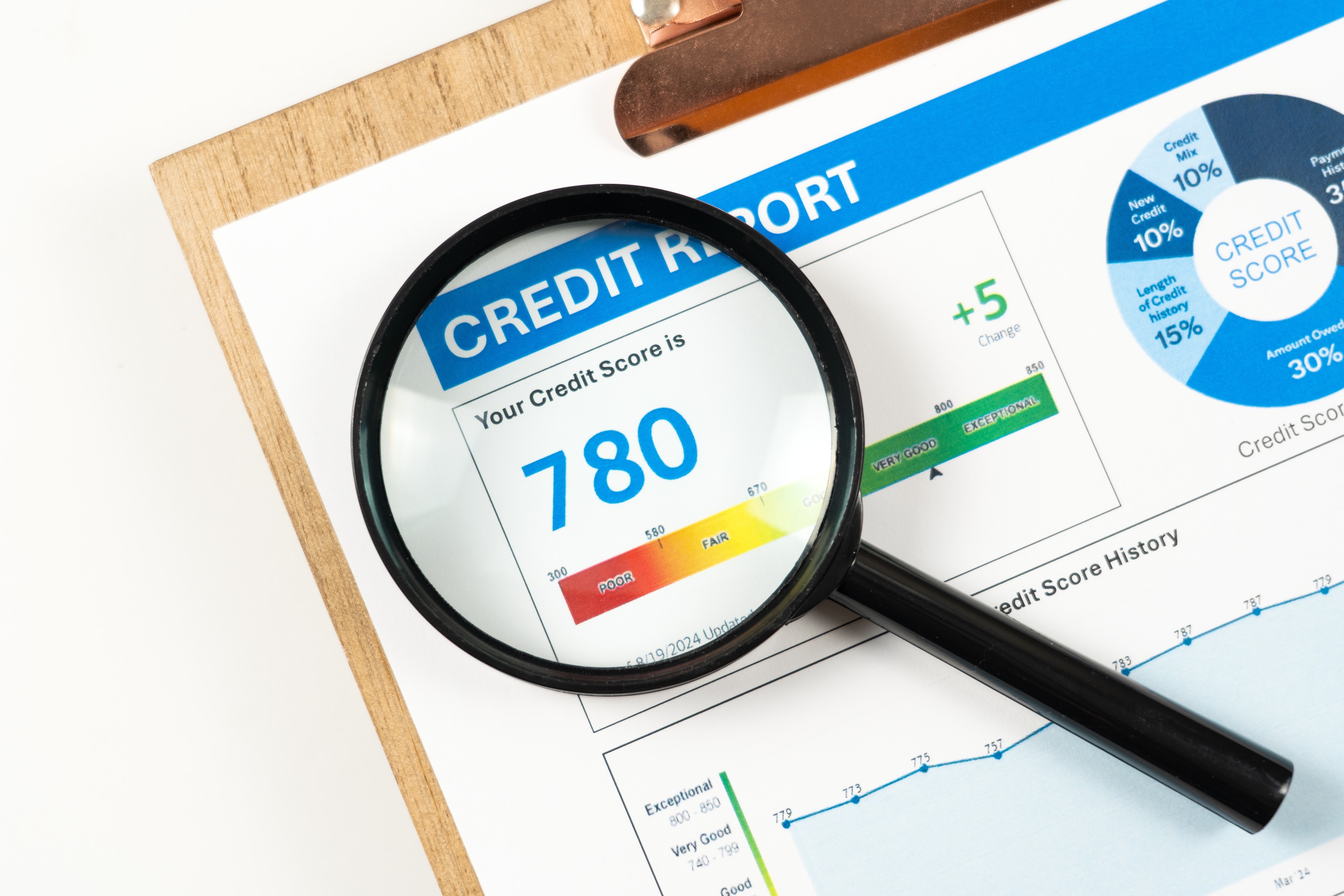
Lenders evaluate several factors when reviewing a personal loan application. Understanding what they look for can help you prepare and improve your chances of approval on favorable terms.
Your credit score carries significant weight in the decision. This three-digit number, typically between 300 and 850, summarizes your credit history and helps lenders predict your likelihood of repaying borrowed money. According to Experian, credit scores are calculated using five main factors: payment history accounts for 35% of your score, amounts owed make up 30%, length of credit history contributes 15%, new credit accounts for 10%, and credit mix represents the final 10%. Borrowers with higher scores generally qualify for lower interest rates because they present less risk to lenders.
Income and employment stability matter just as much as your credit profile. Lenders want to confirm that you have a steady source of income sufficient to cover your existing obligations plus the new loan payment. They may request recent pay stubs, tax returns, or bank statements as verification. Self-employed applicants typically need to provide additional documentation, such as profit-and-loss statements or multiple years of tax filings.
Your debt-to-income ratio, often abbreviated as DTI, measures how much of your monthly gross income goes toward debt payments. To calculate it, add up all your monthly debt obligations and divide by your gross monthly income. Most lenders prefer a DTI below 36%, though some may approve borrowers with ratios up to 43% or higher, depending on other factors. A lower DTI signals that you have room in your budget to take on additional debt responsibly.
Finally, lenders review your credit report for red flags such as recent bankruptcies, accounts in collections, or a pattern of late payments. While a few minor blemishes may not disqualify you, significant negative marks can affect both your approval odds and the interest rate you receive.
How to Apply for a Personal Loan
Applying for a personal loan involves several steps, but the process is generally straightforward when you prepare in advance. Knowing what to expect can help you move through each stage efficiently and avoid unnecessary delays.
Start by checking your credit report and score before you apply anywhere. You are entitled to a free copy of your credit report from each of the three major bureaus annually through Experian, and many banks and credit card companies provide free score access to their customers. Reviewing your report lets you catch any errors that could hurt your application and gives you a realistic sense of what rates you might qualify for. If you spot inaccuracies, dispute them with the reporting bureau before applying.
Next, gather the documentation lenders typically require. This usually includes proof of identity, such as a driver's license or passport; proof of income, such as recent pay stubs or tax returns; and proof of residence, such as a utility bill or lease agreement. Having these documents ready speeds up the process considerably. You should also know your Social Security number, current employer's contact information, and details about any existing debts.
Once you have your documents in order, compare options from multiple lenders. Interest rates, fees, and terms can vary significantly, so shopping around is worth the effort. Many lenders offer prequalification, which lets you see estimated rates and terms based on a soft credit inquiry that does not affect your score. This step helps you narrow down your choices before committing to a full application.
When you are ready, submit your application through your chosen lender. Florida Credit Union allows members to apply online or in person at any of their 13 branch locations across Florida. Most applications ask for personal information, employment details, income figures, and the loan amount and purpose. For many applicants, credit decisions come within minutes, making the process faster than you might expect.
After approval, carefully review the loan agreement before signing. Pay attention to the interest rate, monthly payment amount, total cost over the life of the loan, any fees, and the repayment schedule.
Personal Loans vs. Credit Cards: Which Is Better?
Personal loans and credit cards both provide access to borrowed funds, but they work differently and suit different financial needs. Choosing the right option depends on how much you need, how quickly you can pay it back, and which repayment structure fits your budget.
Credit cards are a form of revolving credit. You receive a credit limit and can borrow against it repeatedly as long as you make at least the minimum payment and stay below your limit. This flexibility makes credit cards ideal for everyday purchases, building credit history, and earning rewards. However, credit card interest rates tend to run significantly higher than personal loan rates. If you carry a balance from month to month, those high rates can cause debt to grow quickly.
Personal loans work differently. You borrow a fixed amount, receive it in one lump sum, and repay it in equal monthly installments over a set term. Once the loan is paid off, the account closes. This structure provides a clear end date for your debt and eliminates the temptation to keep borrowing. Personal loan rates are generally lower than credit card rates, especially for borrowers with good credit, which makes them a more cost-effective option for larger expenses or debt consolidation.
When does a personal loan make more sense than a credit card? If you need to borrow a substantial amount for a specific purpose, such as consolidating high-interest debt, financing a home improvement project, or covering medical bills, a personal loan usually offers better terms. The fixed payment schedule also helps with budgeting because you know exactly what you owe each month and when the debt will be gone.
Credit cards remain the better choice for smaller, short-term expenses you can pay off before the billing cycle ends and interest accrues. They also offer benefits such as purchase protection, fraud monitoring, and rewards programs that personal loans do not offer. The key is matching the borrowing tool to the situation rather than defaulting to one option for everything.
What Is Debt Consolidation and How Does It Work?

Debt consolidation is a strategy that combines multiple debts into a single loan with one monthly payment. The goal is to simplify your finances, reduce the interest you pay, or both. For people managing several credit cards, medical bills, or other obligations, consolidation can provide a clearer path toward becoming debt-free.
The mechanics are straightforward. You take out a new loan large enough to pay off your existing debts, then focus on repaying that single loan over time. Instead of tracking multiple due dates, interest rates, and minimum payments, you deal with just one fixed payment each month. This simplicity alone can reduce stress and make it easier to stay on top of your obligations.
The financial benefit depends on the interest rate you secure on the consolidation loan compared to the rates on your current debts. Lower interest means more of each payment goes toward the principal balance rather than interest charges, helping you eliminate the debt faster.
Debt consolidation can also benefit your credit score over time. Paying off credit card balances reduces your credit utilization ratio, which measures how much of your available credit you are using. Credit utilization accounts for a significant portion of your credit score, so lowering it can lead to score improvements. Additionally, making consistent on-time payments on your consolidation loan builds a positive payment history.
That said, consolidation is not a magic solution. It works best when you commit to avoiding new debt while paying off the consolidation loan. Taking out a loan to pay off credit cards only helps if you do not run those cards back up again. Successful consolidation requires a change in spending habits alongside the new loan structure.
Using a Personal Loan for Debt Consolidation
A personal loan is one of the most common tools people use to consolidate debt, and for good reason. The fixed interest rate, predictable payments, and defined payoff timeline make it well-suited for combining multiple balances into a single, manageable obligation.
Before applying, take stock of your current debts. List out each balance, the interest rate, and the minimum monthly payment. Add up the total to determine how much you need to borrow. Then calculate what you are currently paying in combined minimum payments and total interest across all those accounts. This baseline helps you evaluate whether a consolidation loan will actually save you money.
Florida Credit Union offers debt consolidation loans designed to help members simplify their payments and potentially reduce their interest costs. With fixed rates and terms up to 60 months, you can structure the loan to fit your budget while knowing exactly when you will be debt-free. The application process is straightforward, and many applicants receive a decision within minutes.
Once approved, use the loan proceeds to pay off your existing debts in full. Then focus all your repayment energy on the single consolidation loan. Resist the urge to start using those newly paid-off credit cards again. The consolidation strategy only works if you do not accumulate new debt on top of the loan you are already repaying.
Strategies for Paying Off Debt Faster
Paying off debt faster than required saves money on interest and frees up your budget for other goals. While making the minimum payment keeps you in good standing, a few targeted strategies can help you eliminate balances ahead of schedule.
Two popular frameworks can guide your approach. The debt avalanche method directs extra money toward your highest-interest-rate balance first, minimizing total interest paid. The debt snowball method targets the smallest balance first, using quick wins to build momentum. Both work—pick the one that matches how you stay motivated.
Beyond choosing a method, these tactics can accelerate your progress:
Negotiate your rates. Call your credit card company and ask for a lower interest rate. It works more often than you'd think, especially if you mention competitor offers or a strong payment history.
Adopt the "found money" rule. Commit to putting unexpected cash toward debt, such as tax refunds, rebates, cash back rewards, or even that $20 in your coat pocket. Redirecting windfalls accelerates payoff without changing your monthly budget.
Round up payments. If your payment is $247, pay $250 or $300. Small bumps barely register day-to-day but shave months off your timeline over the life of a loan.
Run a subscription audit. Add up your streaming services, apps, and memberships. Cancel what you haven't used lately and redirect that $30 or $50 a month to debt.
Make it visual. A debt payoff app, spreadsheet, or chart on your fridge keeps motivation high. Watching your balance shrink in real time reinforces the habit.
Automate, then add more. Set up automatic payments for at least the minimum to protect your credit, then manually add extra when you can. Florida Credit Union's online and mobile banking make managing payments simple.
Finally, avoid new debt while paying off existing balances. If you consolidated credit card debt with a personal loan, consider freezing those cards—literally, in a block of ice if needed—until you've built better spending habits.
How to Avoid Common Personal Loan Mistakes
Personal loans can be valuable financial tools when used wisely, but certain missteps can turn a helpful loan into a burden. Being aware of common mistakes helps you avoid them.
Borrowing more than you need ranks among the most frequent errors. Just because you qualify for a certain amount does not mean you should take it. Interest accrues on every dollar borrowed, so taking $15,000 when you only need $10,000 means paying interest on an extra $5,000 for no good reason. Carefully calculate your actual needs and borrow only that amount.
Ignoring the total cost of the loan is another pitfall. A low monthly payment might seem attractive, but stretching a loan over a longer term increases the total interest you pay. Before signing, look at both the monthly payment and the total repayment amount. Sometimes, a slightly higher monthly payment on a shorter term saves you hundreds or thousands of dollars overall.
Skipping the comparison shopping phase costs borrowers money. Interest rates, fees, and terms vary between lenders, sometimes substantially. Taking the first offer without checking alternatives could mean you miss a better deal elsewhere. Prequalification tools let you compare estimated offers from multiple lenders using soft credit inquiries that do not affect your score.
Missing payments damages your credit and may trigger late fees or penalty rates. Set up automatic payments or calendar reminders to ensure you never miss a due date. If you anticipate trouble making a payment, contact your lender before the due date. Many lenders, including Florida Credit Union, offer flexibility for members facing temporary financial difficulties through options such as Skip a Payment. This is a key advantage, providing peace of mind and flexibility when unexpected life events occur.
Using a personal loan for the wrong purposes can also backfire. Taking out a loan to fund everyday living expenses, speculative investments, or luxuries you cannot afford creates debt without building value. Personal loans work best for specific, planned expenses or strategic debt consolidation rather than as a Band-Aid for ongoing budget shortfalls.
Finally, not reading the loan agreement before signing leads to unpleasant surprises. Understand the interest rate, payment schedule, fees, prepayment terms, and what happens if you miss a payment. If anything is unclear, ask questions before you commit.
Taking Control of Your Financial Future

Borrowing money is not inherently good or bad. What matters is how you use credit and whether it moves you closer to your financial goals. A personal loan, used thoughtfully, can help you consolidate debt, handle emergencies, invest in your home, or cover major expenses without derailing your budget.
The key is approaching any borrowing decision with clear eyes. Know what you need, understand what you qualify for, and calculate whether the loan makes financial sense given your income, existing obligations, and long-term plans. Taking time to compare lenders, read the fine print, and choose terms that fit your situation puts you in control rather than leaving you reacting to circumstances.
Building good financial habits alongside borrowing makes the difference between debt that drags you down and credit that propels you forward. Pay on time every month, avoid borrowing more than necessary, and work toward paying off balances ahead of schedule when possible. Each responsible decision builds your credit history and opens doors to better rates and terms in the future.
Credit unions exist to support their members' financial well-being, not to maximize profits for outside shareholders. As a member-owned institution, Florida Credit Union returns value to members through competitive rates, lower fees, and personalized service. Whether you are looking to consolidate debt, finance a home improvement, or simply need funds for an unexpected expense, exploring your personal loan options is a worthwhile step.
Ready to take control? Contact us or visit one of 13 branch locations across North and Central Florida. A team member is waiting to help you find the right loan for your needs and answer all your questions. Your financial future is worth the investment of a few minutes to explore your options.
Frequently Asked Questions
What credit score do I need for a personal loan?
Credit score requirements vary by lender, but most traditional lenders prefer scores of 670 or higher for the best rates. However, many credit unions and lenders offer personal loans to borrowers with lower scores, sometimes in the 580-669 range, though at higher interest rates. Florida Credit Union works with members across the credit spectrum and even offers personalized credit analysis to help members improve their scores.
How long does it take to get approved for a personal loan?
Approval timelines depend on the lender and your application. Once approved, funds are typically deposited into your account within one to three business days.
Can I pay off my personal loan early without penalty?
Yes, you can pay off your personal loan early with Florida Credit Union at any time without a penalty fee.
What is the difference between a personal loan and a personal line of credit?
A personal loan provides a lump sum that you repay in fixed monthly installments over a set term. Once paid off, the account closes. A personal line of credit works more like a credit card, giving you access to a credit limit you can borrow against as needed, repay, and borrow again. Lines of credit offer flexibility for ongoing or unpredictable expenses, while personal loans suit one-time borrowing needs.
How much can I borrow with a personal loan?
Loan amounts depend on the lender and your qualifications. Florida Credit Union offers personal loans ranging from $3,001 to $50,000, with the maximum amount based on your credit history, debt-to-income ratio, and other factors. For smaller needs, No-Hassle loans provide $1,000 to $3,000, even for those with imperfect credit.